I Tested Travel Neck Pillows on My Commute—Here's Why I Dropped Them
In Bay Area cross-city commuting, I treat failure points as reliability tests. Most travel neck pillows fail the test. They add bulk, retain heat, and slow down transfers. Unless you have diagnosed medical needs, dedicated neck pillows aren't worth the carry load penalty.
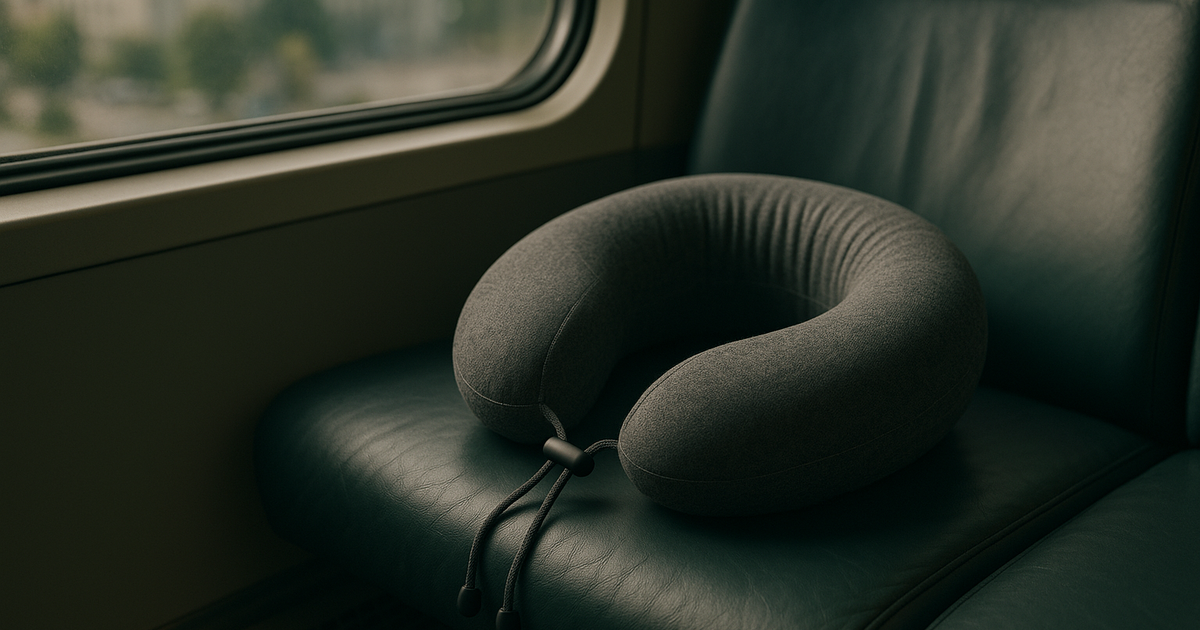
Why I bought it (context + expectation)
I have a high-stakes job where downtime cost is high. Arriving at a morning meeting with a stiff neck from prolonged sitting is simply a systemic failure. I experience occasional neck tension, and medical guidance confirms that poor posture during travel increases the risk of muscle fatigue and pain [c1]. To optimize my weekly cross-city commute, I started testing dedicated support systems. I evaluated the highly-rated Trtl Travel Pillow, bulky memory foam options, and even looked at the internet trend of using soft cervical collars [c27]. I wanted a systematic fix for travel fatigue. But portable is not optional for me. Anything I add to my pack has to definitively justify its weight in grams.
How long I used it (timeline + frequency)
Between train changes at Diridon Station, I attempted to deploy the Trtl pillow during a major Caltrain delay. The platform was crowded, my hands were full, and getting the internal support system aligned perfectly took too much fumbling. If setup takes too long, it fails in real life. I gave the Trtl two weeks of peak-hour tests. Later, I tried clipping a standard memory foam pillow to my bag for a three-day business trip down the coast. It snagged heavily on a BART turnstile, nearly costing me my connection. I spent a total of two months validating various neck supports under delay-heavy weeks. None of them earned a permanent spot in my daily rotation.
Is it worth it (real gain)
These accessories are absolutely not worth the weight for an optimized transit system. Commute friction compounds fast. When your baseline is weight reduction because every single gram matters, a dedicated pillow is dead weight for 90% of your day. Products like the Bcozzy offer 360-degree support [c10], which sounds great in marketing copy, but they occupy the exact same bag space as my essential noise-canceling headphones and backup batteries. I optimize for worst-case Tuesday, not best-case Friday. In a worst-case scenario, I need physical agility. Carrying a single-use plush item actively degrades my mobility.
Pitfalls (hidden costs + friction)
On an unusually warm cross-city commute day, the fatal flaw of the Trtl pillow became obvious in a cramped transit seat. It is heavily made of fleece [c11]. Sitting in an under-ventilated railcar wearing a thick fleece wrap quickly caused a massive heat buildup. I had to rip it off before we even reached Palo Alto, realizing the sheer discomfort of sweating negated any slight ergonomic benefit. Another major risk is the growing temptation to use soft medical cervical collars as a cheap travel hack [c27]. Clinical research indicates that long-term use of a cervical collar can actually lead to the weakening and stiffening of your neck muscles [c2, c25]. Furthermore, those collars require daily washing to prevent bacteria growth and skin irritation [c26]. I refuse to add 45 minutes of maintenance to my week just to launder a foam neck brace.
Long-term changes (30/90/180 days)
I completely shifted my focus from carrying physical solutions to practicing active posture management. Prolonged sitting places extreme stress on the spine and actively weakens core muscles [c20]. Instead of masking that structural problem with a fleece wrap, I now rely on targeted mechanics. Performing simple chin tucks and shoulder blade squeezes during transit relieves muscle tension far more effectively [c19]. It requires exactly zero packing space. If it cannot survive peak-hour chaos, I move on. Active stretching survives every time.
Who this is not for (clear boundary)
Do not buy these if you run a tightly optimized mobile office. If your everyday carry requires a USB-C-first ecosystem where every cubic inch is accounted for, a plush travel pillow will endlessly frustrate you. It is also a notoriously bad fit for anyone prone to overheating, as truly breathable fabrics are rare in this category [c8, c11].
Alternatives (safer options)
The most reliable alternative is a textile you already carry. If I am in a bind on a long delayed train, a tightly rolled-up sweatshirt or towel placed directly behind my neck effectively substitutes for a travel pillow [c22, c24]. This straightforward trick maintains the proper cervical curve without adding extra weight to my daily loadout. Combine that makeshift support with periodic neck rotations [c19], and you eliminate the need for buying extra gear.
One-line verdict (would I buy again?)
Dedicated neck pillows add unacceptable bulk and heat to a highly tuned commute; skip the gear and rely on rolled clothing and active stretching. If it slows my route, I drop it.
Related navigation: Priya persona channel, personal-care-health cluster, long-hours-sedentary-work scenario.