I Used a Smart Scale for 365 Days. Here Is What Actually Mattered.
I spent a year evaluating smart scales, comparing a basic $25 Renpho against the research on $500 models like the Withings Body Scan. My verdict? Buy the cheapest Wi-Fi model available to automate your weight logging, but completely ignore the body composition metrics. The estimates are too volatile.
Why I bought it (context + expectation)
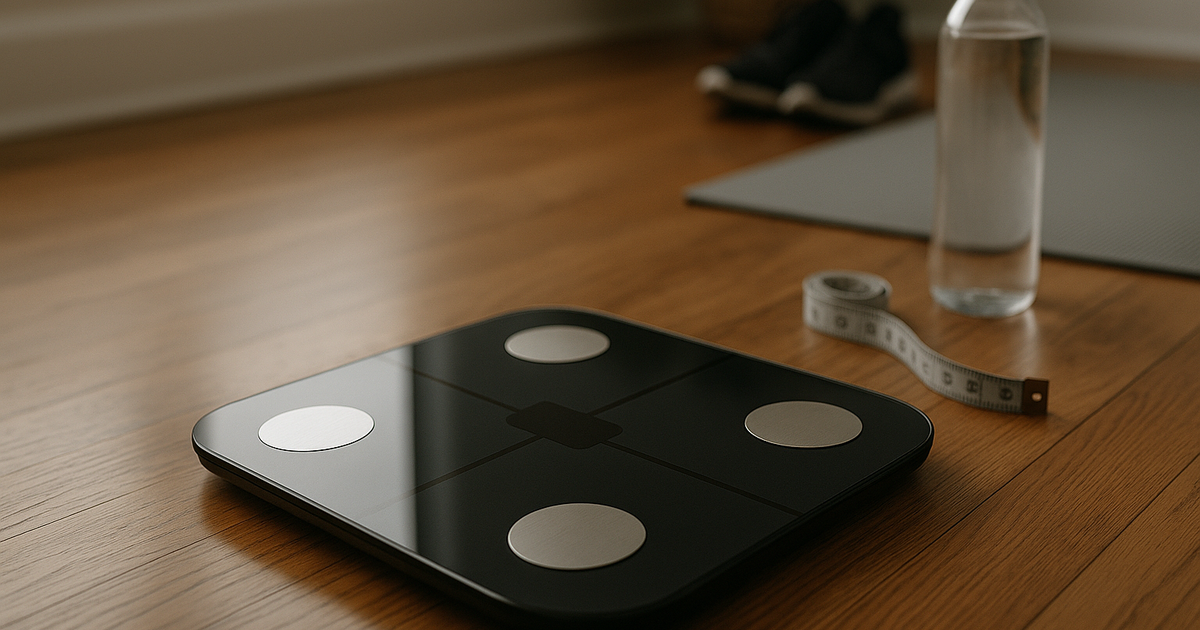
First I look at weekly adherence cost. In Phoenix training + meal-prep rhythm, my mornings are highly structured. One Tuesday at 5:30 AM, stepping on a standard scale before hitting a hot garage workout, I stood there fumbling with my phone to manually type my weight into an app. Manual data entry creates friction, and friction kills routines. A plan is only good if it gets repeated. I realized I needed a device with a built-in Wi-Fi chip just to record my morning weigh-ins automatically without needing to carry my phone to the bathroom. I bought a smart scale purely to eliminate that daily data-entry hurdle.
How long I used it (timeline + frequency)
I have run this automated setup for exactly one year. Initially, I was skeptical about the bioelectrical impedance analysis (BIA) claims—the feature that allegedly measures muscle and fat. Good signal so far on the basic weight logging, but I needed to see if the body composition numbers actually tracked with my physical training load over time. I weighed in daily. I tested how hydration levels, sleep, and my high protein meal prep affected the readouts. Twelve months later, the data tells a very clear story about what these tools can actually do for an athlete.
Is it worth it (real gain)
It is absolutely worth upgrading from a dumb scale, but only for the automated data collection. Simple execution wins over fancy protocol. These devices use BIA to send a small electrical current through your feet to guess your body fat and water percentage. But real-world variables like foot position, room temperature, and sweat throw off the impedance results completely. Studies comparing these consumer devices to clinical DEXA scans show they can underestimate fat mass by up to 3.7 kg. If a metric is that volatile, it is useless for training. I care about recovery minutes per dollar. I do not care about a random percentage generated by a flawed algorithm. The Wi-Fi logging is brilliant because it removes a barrier. The rest is noise.
Pitfalls (hidden costs + friction)
During peak evening hours last month, I was reviewing client logs when a guy texted me, stressed out over a 2.2 kg drop in lean mass from his morning weigh-in. He was just dehydrated after a heavy session, but the app convinced him he was losing muscle. That is the biggest pitfall: misleading data that ruins your mindset. If it doesn’t change adherence, it doesn’t matter—and in this case, the bad data was actively destroying his focus. Beyond the psychological trap, there are physiological and privacy risks. If you have a cardiac implantable electronic device like a pacemaker, or if you are pregnant, you must avoid BIA scales because the electrical current can interfere with your medical device. Finally, university audits have found data leakage risks with companion health apps. You have to lock down your privacy settings and restrict what third-party companies can see.
Long-term changes (30/90/180 days)
After back-to-back sessions, I often weigh in the next morning severely dehydrated. Seeing the massive swings in estimated muscle mass forced me to change how I interact with the companion app entirely. I disabled the body fat metrics on the dashboard. Now, I focus exclusively on the 7-day moving average of my total body weight. Consistency beats intensity over time. Stepping on the scale takes zero thought, the app automatically plots the weekly trend line via Wi-Fi, and I make adjustments to my caloric load based on actual reality.
Who this is not for (clear boundary)
Do not buy a smart scale if you obsess over daily fluctuations. If seeing your body fat falsely jump 2% overnight because you ate a salty meal will derail your training, just use a standard digital scale. More importantly, skip these entirely if you rely on a pacemaker or defibrillator, as the impedance current is a documented health risk for those devices.
Alternatives (safer options)
If you want true body composition data, book a DEXA scan at a clinic every six months. If you just need weight tracking without the BIA noise, buy a basic digital scale and a notebook. If you want the frictionless automated logging, do not overspend on a $366 Hume Body Pod or a $500 Withings Body Scan. Grab a $25 Renpho or Etekcity Wi-Fi scale, tape over the advanced metrics on the screen, and use it strictly for the weight trend line.
One-line verdict (would I buy again?)
Keep the Wi-Fi tracking to automate your routine, but ignore the body composition guesswork entirely; if routine compliance drops, I switch.
Related navigation: Lucas persona channel, personal-care-health cluster, health-recovery-routine scenario.