Why We Ditched Trendy Bento Boxes for Dead-Simple Stainless Lunch Containers
On school-night evenings, our bottleneck is minutes, not dollars. After testing five highly-rated kids' lunchbox systems, we realized most trendy bento boxes introduce serious hand-washing friction. We switched to bare-minimum stainless steel containers because cleaning throughput is a family KPI.
Why I bought it (context + expectation)
It was a Tuesday at 7:15 PM in our Jersey City rowhouse kitchen. I was standing at the sink, aggressively scrubbing a silicone-lined bento box with a tiny detail brush because it smelled exactly like Monday's garlic chicken. Dual-income + two kids means time is scarcer than money, and I had just wasted ten minutes on a piece of plastic.
The trigger was realizing that the "leak-proof" silicone coating on boxes like the Yumbox actually picks up lingering odors after extended use. One review noted they start leaking after two years anyway, and because of the trapped smells, you can't run the outer shell through a high-heat dishwasher cycle. Family systems break at hidden upkeep. If it adds another weekly chore, it’s out. We immediately pivoted our search toward strictly stainless steel options.
How long I used it (timeline + frequency)
Over a six-month stretch, we ran a mixed fleet of lunch containers. We tested OmieBoxes, PlanetBoxes, and Bentgo Kids chill boxes before transitioning our daily routine exclusively to LunchBots and Klean Kanteen Rise boxes.
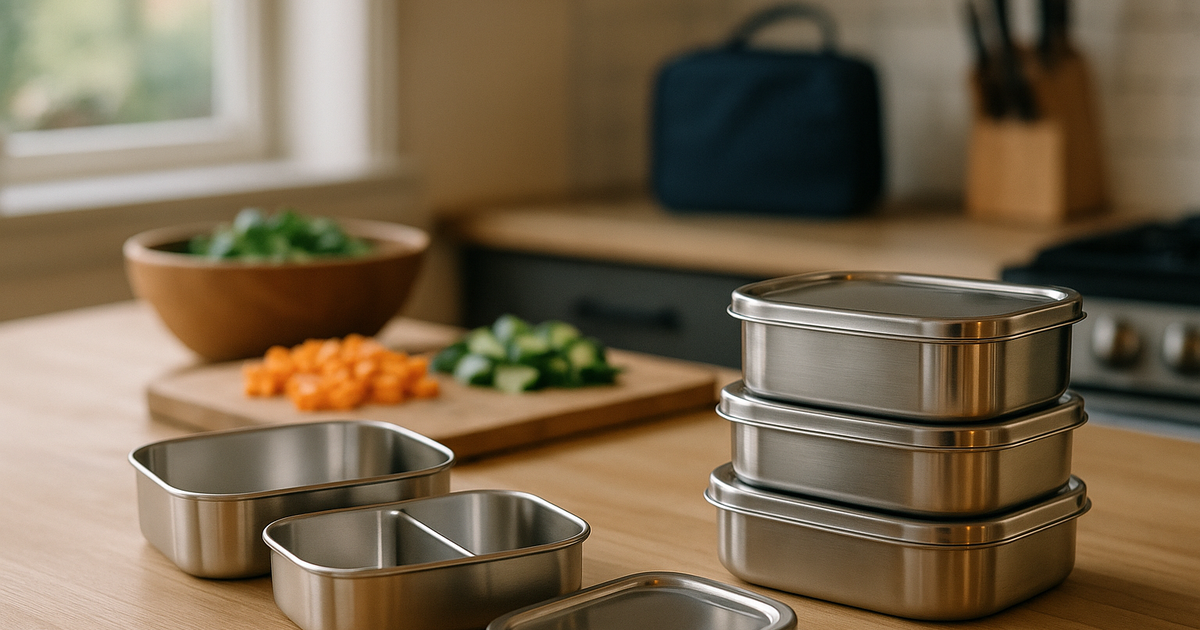
Running multiple systems simultaneously exposed the friction points in our kitchen. My partner would pack the OmieBox, but then hesitate on whether the thermos component could go in the bottom rack of the dishwasher. If both of us cannot run it, it fails. We eventually boxed up the complex gear and standardized on the LunchBots Uno and Cinco models. They are essentially indestructible blocks of stainless steel.
Is it worth it (real gain)
Paying a premium for unglamorous metal boxes feels counterintuitive until your first exhausted Thursday night cleanup. At that exact moment, grabbing three soiled LunchBots and throwing them directly into the heavy-wash dishwasher cycle feels like a major victory.
Time saved at 7 PM is worth more than weekend tinkering. Standard plastics often contain BPA, which can become problematic when scratched or heated in the microwave over time. Shifting to non-toxic materials like food-grade stainless steel removes the mental load of wondering if our dishwasher's sanitize setting is degrading the plastic. Works so far in our current routine.
Pitfalls (hidden costs + friction)
Sunday afternoon meal prep usually ends with a battle for drying rack territory. I washed our borrowed PlanetBox Rover and tried to fit it onto our limited counter space, only to find that the attached lid doesn't detach. It just lays completely flat, sprawling across the rack and hogging an absurd amount of room.
Beyond spatial constraints, temperature control is a double-edged sword. The Bentgo Chill features a built-in ice pack, which is brilliant in theory but makes the lunchbox noticeably heavy for a kindergartener's backpack. Worse, it doesn't even stay cool long enough for an afterschool snack. You end up having to pack an auxiliary ice pack anyway, defeating the purpose.
Long-term changes (30/90/180 days)
Streamlining our lunch prep gear transformed our evening handoff. We no longer have a dedicated "hand-wash only" zone cluttering the sink area.
I value handoff clarity over clever features. With the LunchBots, whoever is on kitchen duty knows exactly how to pack them, close them, and wash them without consulting a mental manual. We use the five-compartment Cinco box for segmented snack lunches, and the Uno for sandwiches. The routine is entirely standardized now.
Who this is not for (clear boundary)
If your kids strictly eat hot soups, wet pastas, or require leak-proof compartments for dipping sauces, pure stainless steel boxes will frustrate you. These containers are designed for dry or mostly dry foods.
Parents who want perfectly insulated hot meals will need something like the OmieBox with its dedicated thermos insert. Just know you are trading lunchtime temperature control for evening cleanup bandwidth.
Alternatives (safer options)
If you want slightly more versatility than the LunchBots offer, the Klean Kanteen Rise Food Boxes are an excellent pivot.
They utilize 90% post-consumer recycled 18/8 stainless steel and feature food-grade silicone lids. Unlike rigid bento boxes, these have adjustable, removable dividers and they actually nest together for compact storage. More importantly, they are microwave, oven, and dishwasher safe, which offers a safety net for heating up leftovers. Needs another month across busy weeks to see if the silicone lids retain any smells, but they have been stellar so far.
One-line verdict (would I buy again?)
Skip the heavy, odor-trapping silicone bento boxes and standardize your weeknight routine with dishwasher-safe, indestructible stainless steel containers.
Related navigation: Sarah persona channel, parenting-kids-gear cluster, weekend-cooking-family-meal scenario.