Why I Ditched My Bottle Warmer After 100 Days of Constant Cleaning
I really thought a bottle warmer was mandatory for night feeds. I was wrong. If you’re a sleep-deprived parent running on empty, standard water-bath warmers just add gross maintenance you don't have time for. Skip them unless you actively enjoy scrubbing heating plates.
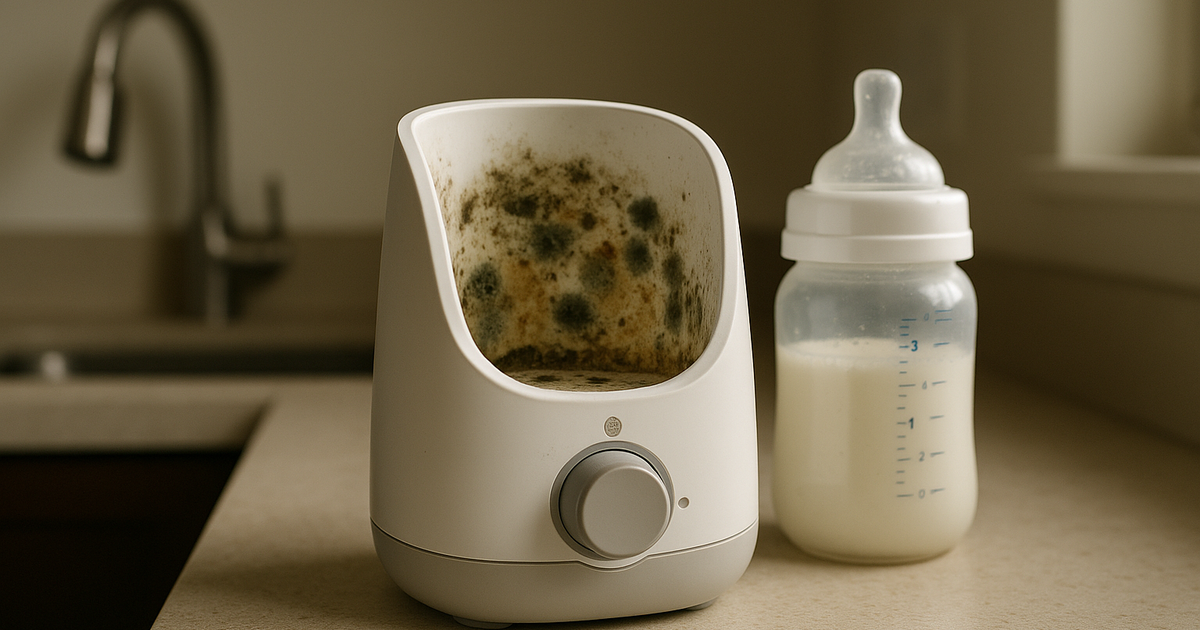
Why I bought it (context + expectation)
In our Houston newborn rhythm, those night feeds were brutal. This is our first infant; sleep is the main scarce resource. I read that microwaves are dangerous because they create hot spots that burn mouths, and they can destroy the vital nutrients in breast milk. I figured a dedicated machine was the absolute safest route. I just wanted to press a button and get a perfectly safe temperature. My best setup is the one I can run half-asleep.
How long I used it (timeline + frequency)
At 3 AM on a Tuesday, standing in my dim kitchen, I poured water into the warmer's reservoir and noticed a gross, crusty white film floating near the heating plate. My baby was crying in the living room, but I just stared at the scale buildup, realizing I had another tedious chore added to my morning. My shoulders slumped. That was day 100, and it was the last time I plugged it in.
I kept a standard water-bath warmer on my counter for just over three months. At 2am the only metric that mattered was speed, but the daytime reality was a constant battle against dampness. It felt like I was trading two minutes of nighttime ease for twenty minutes of daytime scrubbing.
Is it worth it (real gain)
Absolutely not. Anything hard to clean will not survive this household. A device that just heats water shouldn't require this much mental overhead.
The instruction manual basically admits you have to empty and wipe it constantly to prevent mold. I buy back minutes, not features. Spending my precious breaks descaling a plastic cylinder with vinegar is a terrible trade-off when there are easier ways to warm milk.
Pitfalls (hidden costs + friction)
There are a few harsh realities they don't print on the registry checklists.
First is the severe contamination risk. If you leave a bottle in there on a constant temperature setting—say around 40°C—thinking you'll be ready when the baby wakes, total bacteria can multiply by ten times in just 3 hours. If it adds anxiety, it leaves our house.
Second, they are a physical hazard on your counter. Babies get mobile fast. A cord dangling off a kitchen island means a child can easily pull the unit down and spill hot water on themselves. There was even a major recall on older Tommee Tippee models because of electrical fire hazards.
Finally, the actual interface. Some of these units have digital menus that require a manual to decipher. I need predictable, not clever.
Long-term changes (30/90/180 days)
Stripping this damp plastic device from our kitchen counter felt like taking a deep breath. We shifted our whole approach to feeding. By removing the machine, we removed the waiting period. I stopped stressing over whether I had distilled water on hand for the reservoir, and our counter space finally opened up.
Who this is not for (clear boundary)
Do not buy a traditional water-based warmer if you are running on fragmented sleep and hate daily appliance chores. If cleanup takes longer than nap time, no. Skip this entirely if your kitchen lacks counter space or if you have a toddler running around who might grab dangling power cords.
Alternatives (safer options)
Yesterday afternoon, I stood by the sink holding a chilled bottle under the running faucet. The water was warm-to-hot. After exactly 2 minutes of rotating the plastic, the milk was the perfect temperature. I felt a massive wave of relief realizing how stupidly simple this was compared to my old routine.
Holding a bottle under the tap works perfectly and costs nothing. Better yet, try feeding room-temperature or slightly chilled milk. Many babies adjust to it just fine if you introduce it early, completely eliminating the need to warm anything.
If you absolutely must have a gadget, look into the newer waterless warmers. They avoid the dampness, meaning no mold or mineral buildup, making them infinitely easier to maintain.
One-line verdict (would I buy again?)
Traditional bottle warmers cost more in daily cleaning time than they save in nighttime convenience—stick to warm tap water instead.
Related navigation: Amy persona channel, parenting-kids-gear cluster, new-parents-daily-routine scenario.