I Used a Wet-Dry Floor Cleaner for 120 Days. Here is Why it Failed Our Weeknight Routine.
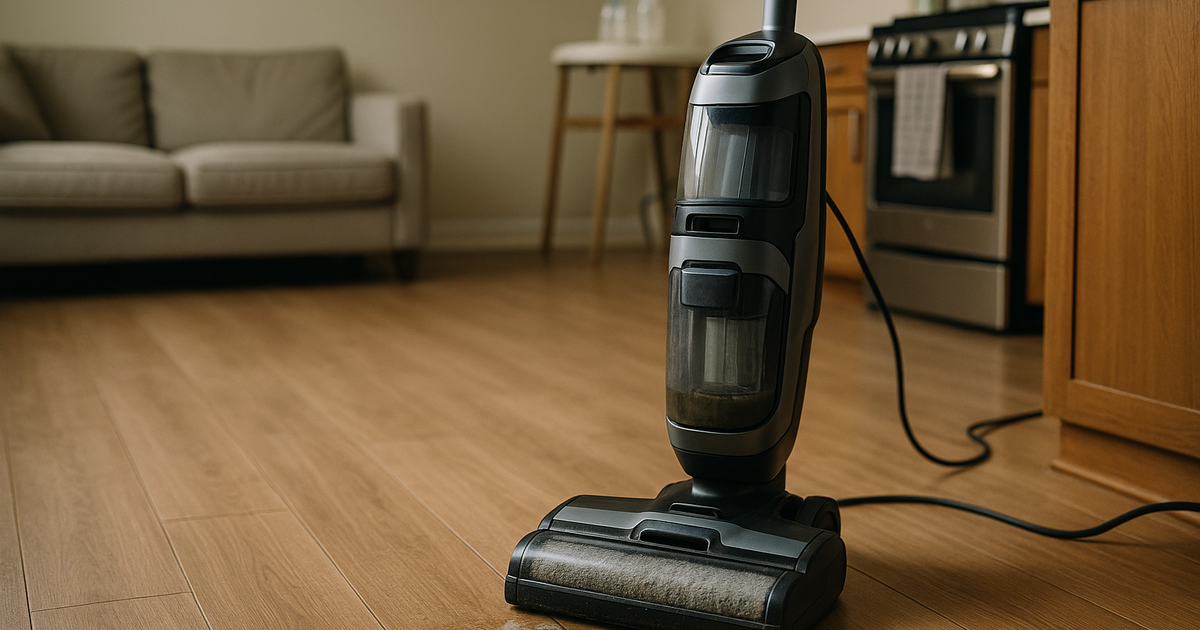
In our Jersey City dual-income, two-kid rhythm, cleaning throughput is a family KPI. I thought a combo wet-dry floor cleaner would save us critical weeknight steps. After a 120-day trial, I am decisively pulling the plug on this entire category. It simply shifts the mess from the floor to the machine.
Why I bought it (context + expectation)
In two-working-parent weeks, our bottleneck is minutes, not dollars. Dual-income plus two kids means time is scarcer than money, and our hard floors constantly take a beating from dropped cereal, muddy shoes, and mystery spills. I started looking at the wet-dry combo market because skipping the pre-vacuuming step sounded like a massive efficiency gain.
We looked at highly-rated units like the Shark Hydrovac (around $200) and the Vax ONEPWR ($228). They promise to vacuum and mop simultaneously. With our joint big-ticket threshold sitting around $700, grabbing a mid-tier model to test the concept felt like an easy risk to take. I wanted a tool that would let us sprint through the downstairs cleanup in ten minutes flat before starting the bedtime routine.
How long I used it (timeline + frequency)
Tuesday evening, 7:15 PM in the kitchen. My four-year-old knocked an entire bowl of milk and cheerios onto the floor. I grabbed the wet-dry vac instead of a massive roll of paper towels, cleared the spill in thirty seconds, and felt like a genius. But thirty minutes later, after the kids were in bed, I found myself standing over the sink picking wet, milky cereal sludge out of the machine's dirty water tank.
That dynamic defined my 120 days of testing. The actual floor-cleaning act is fast. The device easily glides over rowhouse floors and picks up debris just like the marketing claims. However, the post-cleaning reality is a different story entirely. Weeknight bandwidth is the real constraint in our house. Trading five minutes of floor mopping for fifteen minutes of machine detailing is a terrible deal.
Is it worth it (real gain)
For our specific household structure, it is absolutely not worth it. Time saved at 7 PM is worth more than weekend tinkering.
Our maintenance tolerance is strictly capped at about 80 minutes per week for all household devices combined. This machine alone demanded a quarter of that budget just to keep it from smelling like a swamp. Sure, the two-tank systems keep clean and dirty water separate during operation. But leaving that dirty water tank overnight is a fatal mistake. You have to empty it, rinse it, and leave the components out to dry after every single use.
Pitfalls (hidden costs + friction)
Saturday morning, 9:00 AM. My partner tried to run the cleaner after breakfast but immediately stopped. He couldn't remember if the roller brush from the previous night was dry enough to snap back into the base, or if the filter had been properly rinsed. The handoff completely failed.
Family systems break at hidden upkeep. Here are the specific bottlenecks we encountered:
* The Sludge Factor: Machines that vacuum and mop simultaneously create a wet paste of hair, dust, and food crumbs. You have to manually scrape this out of the filter.
* Drying Logistics: You cannot just put the machine back in the closet. The rollers and tanks must air-dry, which creates clutter in our tight rowhouse layout.
* Partner Usability: If both of us cannot run it, it fails. The strict post-wash breakdown protocol meant my partner hesitated to use it for quick spills, defeating the purpose of having it.
Long-term changes (30/90/180 days)
We are reverting to our old system. A stable routine beats a flashy upgrade.
We went back to using a standard cordless stick vacuum for dry debris and a simple manual spray mop with washable microfiber pads for the wet spots. It technically takes two passes instead of one, but the mental load is zero. You vacuum, you mop, you throw the pad in the laundry basket. Done. If coordination load rises, we change course, and this experiment proved that separating wet and dry messes is just easier to manage.
Who this is not for (clear boundary)
I would strongly advise against these devices for households with strict maintenance boundaries. If you have multiple young kids dropping mixed wet/dry food, you will hate cleaning the tank. It is also a bad fit for smaller homes where leaving dismantled machine parts out to dry on the counter is a major annoyance.
Alternatives (safer options)
Instead of buying a $200+ combo machine, I recommend optimizing your separate tools.
Look for a high-quality cordless stick vacuum that is exceptionally easy to empty over the trash bin. Pair it with a basic Bona or O-Cedar spray mop. You will spend roughly the same amount of money, but your weeknight cleanup won't end with you scrubbing a plastic tank with an old toothbrush. If both adults can sustain the simpler setup, we keep it.
One-line verdict (would I buy again?)
Skip the wet-dry combo cleaners if you value zero-maintenance weeknights; sticking to a reliable stick vacuum and a simple spray mop preserves far more household sanity.
Related navigation: Sarah persona channel, home-cleaning cluster, new-parents-daily-routine scenario.