Why I Stopped Using Video Doorbells at My Vacation Rental
If you are looking for a way to monitor every footstep on your property, skip this. But if you manage a shared-wall property and want to balance security with actual hospitality, here is why a recording video doorbell became a hard "no" for my rental.
Why I bought it (context + expectation)
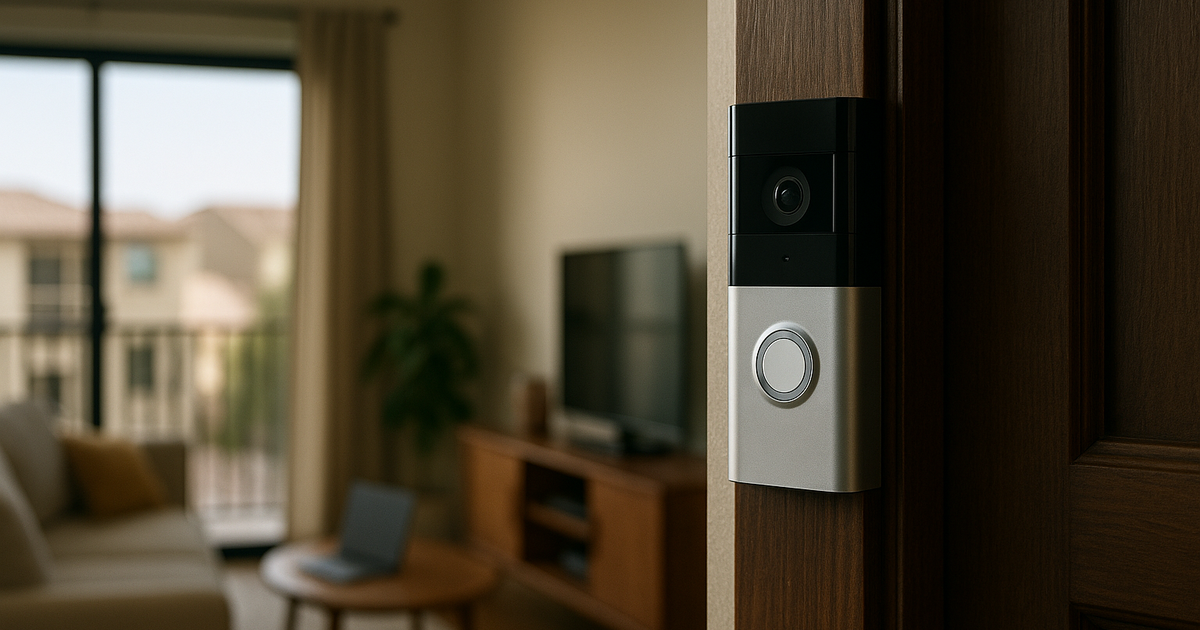
It was a Friday afternoon check-in on the shared porch of my duplex. A couple from California was laughing as they walked up, but the moment the blue ring on my new video doorbell lit up, they froze, whispered to each other, and awkwardly shuffled inside. The vacation vibe evaporated instantly.
For my boutique hosting workflow, I originally thought a smart doorbell was a baseline requirement. As an STR operator in Las Vegas heat + dust, managing remote access and keeping an eye on the front gate seemed like a smart operational upgrade. I wanted to verify check-ins without hovering, assuming guests would appreciate the modern security. I allocated part of my joint CapEx threshold ~USD 850 to outfit the main door and the rental unit with matching high-end video cameras.
How long I used it (timeline + frequency)
The dual-camera setup survived exactly three weeks on my property. That gave me enough time to cycle through a half-dozen weekend bookings and observe the subtle shift in how people behaved at the entryway.
In guest-turnover weeks, I usually monitor the app just to know when the cleaners can enter. But instead of feeling streamlined, I found myself managing a constant stream of motion alerts every time a guest ordered food or stepped out for a phone call. The system was technically functioning perfectly, but it felt entirely wrong for the hospitality environment I was trying to cultivate.
Is it worth it (real gain)
For a primary residence? Maybe. For a boutique rental? Absolutely not. Guest comfort is my first KPI, and nobody feels comfortable when they think the owner is listening to their private conversations through a speaker.
Guests travel to relax, not to be recorded. While the hardware looked sleek, the psychological friction it introduced wasn't worth the operational convenience. The promised security benefits are promising with limits, especially when weighed against the fact that a creeping sense of surveillance directly threatens the relaxing atmosphere people pay for. If it risks reviews, I replace it.
Pitfalls (hidden costs + friction)
During a Tuesday morning admin block at my desk, I stumbled across a report detailing how top video doorbell apps automatically shared user sensor data and private IP addresses with third parties like Facebook. My stomach dropped. I suddenly realized my guests' comings and goings were essentially being harvested as data points.
There are massive legal and ethical gray areas here. Federal law says you are generally fine recording public areas with no expectation of privacy, but state laws vary wildly. Many of my guests drive in from California, where laws strictly prohibit recording communications considered confidential. Even worse, thousands of doorbell camera users have had personal data revealed in massive online leaks. Furthermore, because my property is a duplex, pointing the lens without catching my neighbor's windows was geographically impossible.
Long-term changes (30/90/180 days)
I pulled the video doorbells entirely. I patched the stucco, painted over the footprint, and went back to standard, non-recording keypad deadbolts.
Guest safety and review stability beat aesthetics, so I didn't leave the property unmonitored. Instead, I installed a single, traditional security camera mounted high on the exterior eaves. It points strictly at the public driveway and parking area—nowhere near the rental entrance or the outdoor seating. Guests can clearly see it serves a security function for their vehicles, rather than serving as a host's listening device at their front door.
Who this is not for (clear boundary)
This setup—putting active video and audio recording devices right at the unit entry—is a terrible idea if you operate a multi-family property, an apartment, or any layout where doors face each other.
Quiet and clean are non-negotiable in small units, and privacy falls directly under that umbrella. If your property attracts couples looking for a romantic weekend or people who value discretion, an active camera on the porch is a massive liability. If operations strain rises, I simplify fast, and managing the headache of camera angles and privacy complaints is an operational strain you simply do not need.
Alternatives (safer options)
Instead of a video doorbell, consider a high-quality smart deadbolt paired with a noise-monitoring device that strictly measures decibel levels without recording audio. You get the operational data you need without violating guest trust.
If you absolutely must have cameras for insurance purposes, keep them strictly relegated to parking areas and public exterior walkways. Make sure they are explicitly disclosed in your listing, and never position them where a guest might reasonably expect to have a private conversation.
One-line verdict (would I buy again?)
Skip the intrusive video doorbells; true hospitality means giving your guests the peace of mind that they aren't being watched.
Related navigation: Marta persona channel, digital-productivity cluster, small-apartment-living scenario.