I stopped wearing my sleep tracker, and my actual recovery improved
If a tool adds stimulation at night, I am out. After months of testing wristbands and smart rings, I realized hyper-tracking my rest was actually degrading it. For my sleep window, the bedroom rule is fewer devices, not smarter devices. I do not recommend building a complex wearable stack.
Why I bought it (context + expectation)
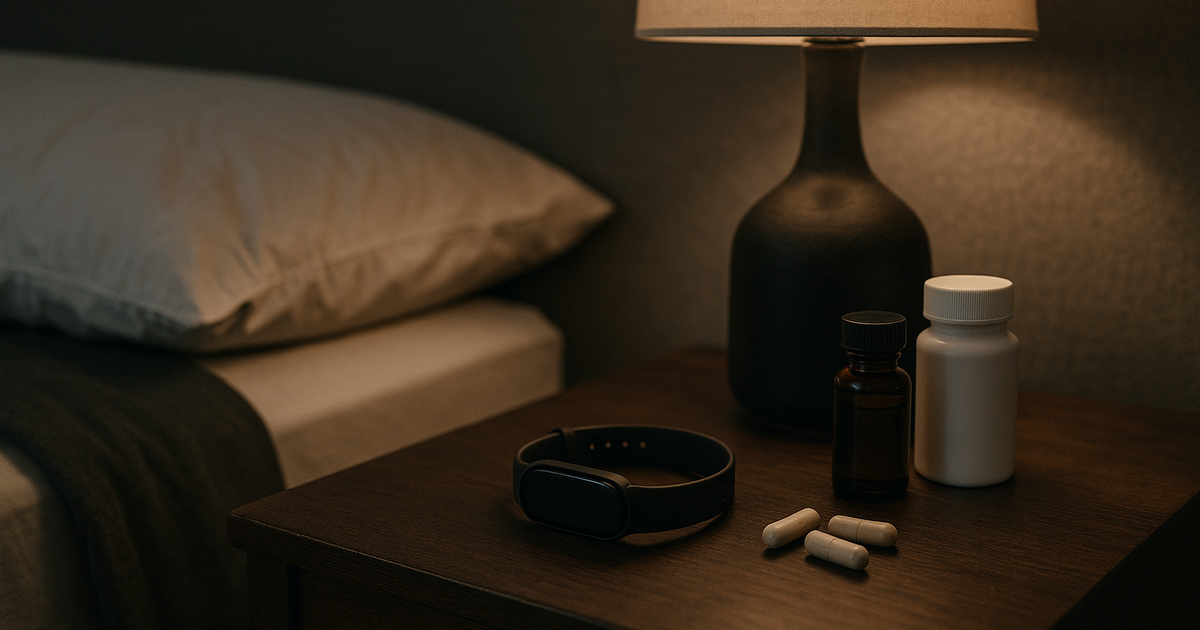
It was 3:15 AM on a Tuesday when the green optical sensor of my fitness tracker flashed against my sheets. As a light sleeper, that sudden burst of light in my dark Denver apartment spiked my baseline anxiety immediately. I originally invested in tracking wearables because my early wake running schedule demands strict evening wind-downs, and I wanted hard data to guide my routine.
Early signal looks good when you first see those neat little graphs on your phone. You start believing you are successfully hacking your biology. Unfortunately, the pursuit of a perfect nightly score quickly morphed into a second job. Instead of relaxing, I found myself laying perfectly still, stressing about whether my heart rate was low enough to register as deep sleep.
How long I used it (timeline + frequency)
I ran this for a month because sleep is noisy data, but my experiment ended up stretching into a 120-day trial across multiple devices. I tested heavily marketed wristbands first, then evaluated screen-free options to see if minimizing digital interaction would help.
During recovery weeks, I would obsessively check my dashboard the moment I opened my eyes. I started noticing a distinct pattern of digital burnout. Being constantly connected to a wellness dashboard felt productive on the surface, but it frequently masqueraded as subtle morning irritability. I was letting an algorithm dictate my physical readiness before my feet even hit the floor.
Is it worth it (real gain)
For my specific nighttime routine, the digital ecosystem simply is not worth the mental overhead. I protect sleep first, then optimize.
When I read that wearable accuracy for multi-state sleep classification hovers between 50% to 65% compared to clinical tracking, my entire perspective shifted. Why was I introducing a glowing, vibrating device into my bed for a metric that is barely better than a coin toss? Better recovery is the only metric that counts. Stripping away the tech and returning to a simple, analogue environment provided a much more noticeable improvement in my daily energy.
Pitfalls (hidden costs + friction)
The risks of a heavily digitized sleep routine go far beyond simple annoyance.
* Inaccurate Recovery Scores: I frequently experienced mornings where I felt entirely refreshed, only for my app to issue a red "low recovery" warning. Studies on elite athletes actually show these device scores often fail to align with perceived recovery or resting metabolic rate.
* Device Stimulation: A flashing LED or a sudden haptic vibration is a hard boundary for me. These unexpected physical stimuli severely disrupt the quiet consistency I need to stay asleep.
* Data-Induced Anxiety: Constantly monitoring deep versus light sleep percentages created a strange performance pressure. Sleep should be a biological surrender, not an active task to be graded.
Long-term changes (30/90/180 days)
Last month, I woke up feeling great, laced up my running shoes, and deliberately left my tracking dashboard closed. That morning run felt incredibly freeing. Shifting to a simpler stack meant focusing strictly on my physical environment rather than digital outputs.
I dropped the room temperature to a steady 64°F, landing right in the middle of the recommended 60-67°F optimal range for restorative sleep. Because the Denver dry climate already irritates my throat at night, I stopped worrying about tech and focused entirely on basic air quality and temperature. Quiet consistency beats aggressive settings. Removing the wearable eliminated my nightly anticipation of being tracked, which naturally lowered my heart rate. If recovery metrics improve, I keep it. In this case, the winning metric was simply how I felt.
Who this is not for (clear boundary)
This low-tech approach is not a universal fit. If you are working with a physician to monitor a specific respiratory issue, you absolutely might need a dedicated medical tracker. I need longer baseline tracking to make personal decisions, but clinical health requirements are entirely different.
Additionally, athletes who thrive on data gamification and remain unaffected by bright LEDs in the bedroom might enjoy the daily feedback loop. However, if you share my sensitivity to noise, light, and performance pressure, these intrusive gadgets will likely elevate your nighttime stress.
Alternatives (safer options)
If you genuinely feel lost without some form of tracking, you have to prioritize discreet hardware over flashy screens.
* Oura Ring 4: This is a screen-free wearable that sits quietly on your finger. It generally performs better for overnight resting heart rate and HRV without throwing notifications at your wrist.
* RingConn Gen 2: Another unobtrusive ring option for those who want passive tracking without the glare of a traditional smartwatch screen.
Regardless of what hardware you choose, remember that the foundation of rest is environmental. Focus on absolute darkness, cool air, and managing daytime stress first. If sleep quality drops, I stop. That simple philosophy applies to every single device I bring into my home.
One-line verdict (would I buy again?)
Ditch the glowing screens and inaccurate sensors; true recovery is found in a cool, quiet room, not on a digital dashboard.
Related navigation: Kevin persona channel, digital-productivity cluster, health-recovery-routine scenario.