I upgraded my water filtration for better coffee, but the maintenance tax is real
Pitcher filters definitely strip the harsh chlorine that ruins a good light roast, but they add a hidden daily friction. If you skip the strict cleaning schedule, the residue builds fast. Promising, but not final.
Why I bought it (context + expectation)
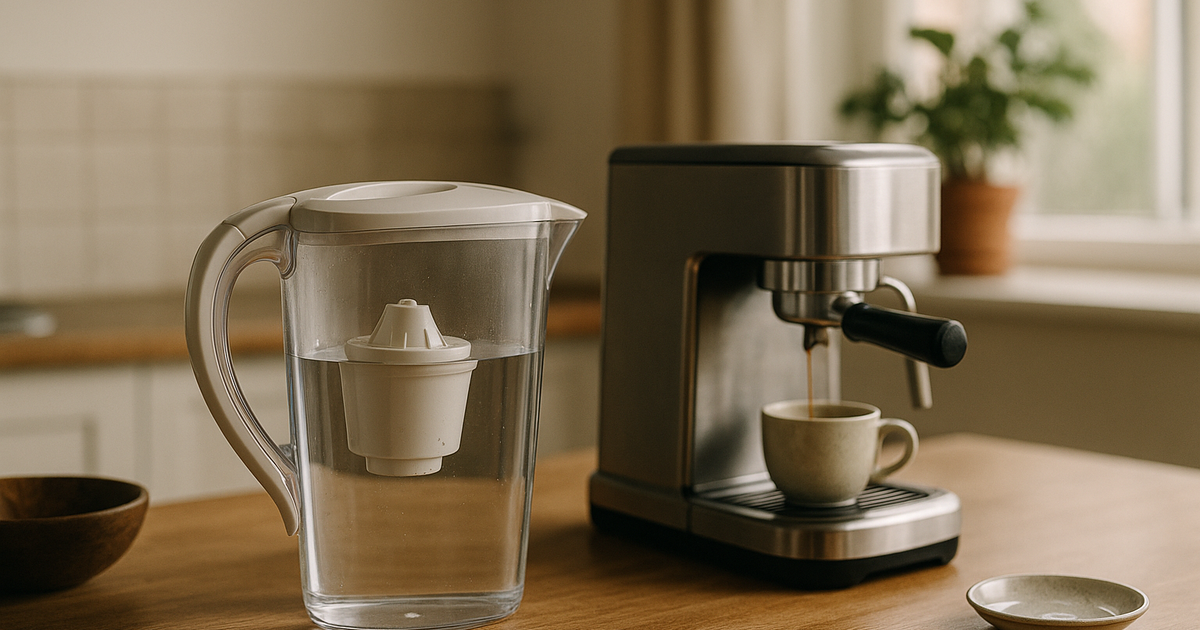
My weekday coffee window starts when my grinder spins up at 6:45 AM. Last October, I stood in my tiny Bay Area kitchen and pulled a fresh shot using standard tap water. The heavy, metallic smell of city chlorine immediately masked the beans' natural fruit notes. Right then, I realized I was throwing away money on premium roasts if my water base was garbage. Small kitchen counter constraints mean footprint matters immensely to me. I couldn't install a massive reverse osmosis system under my sink without fighting my landlord. I needed something compact that rivaled premium RO filtration without requiring plumbing surgery. The Pur Plus 11-Cup Pitcher claimed to hit those specific marks, so I brought it home.
How long I used it (timeline + frequency)
I have run all my espresso and drinking water through this manual setup for four months. Averaging my typical ~3 cups/day, plus baseline daily hydration, means I have to empty and refill this pitcher twice every 24 hours. A good tool should feel invisible at 7 AM. At first, the constant refilling totally disrupted my morning rhythm. I quickly learned I had to top it off the night before if I wanted seamless extractions the next day. Pitchers do offer one massive advantage for my specific constraints: zero night noise. Grinders and espresso machine pumps already push the limits of my thin apartment walls. I definitely did not need a noisy mechanical RO booster pump kicking on at midnight.
Is it worth it (real gain)
For flavor clarity? Absolutely. I track cup quality over marketing claims, and the shift in the mug was undeniable. Unfiltered tap water carries chlorine and dissolved minerals that make extractions taste distinctly salty or flat. Running my tap water through the pitcher first stripped that chemical interference away completely. By the second cup, the vibrant acidity in my daily light roasts was striking. I care about the cup, not the logo. The water itself felt softer, and the espresso crema stabilized visually. Taste consistency is my ultimate priority, and filtering out the aging city pipes definitely delivered that baseline.
Pitfalls (hidden costs + friction)
Sunday evening, week three, standing over my apartment sink. I pulled the pitcher's inner reservoir out to swap the carbon cartridge and felt a slick, distinct layer of slime along the plastic wall. My stomach dropped. The maintenance tax showed up on day 21. Water filters, especially these basic carbon-based ones, become literal breeding grounds for bacteria if you aren't rigorously scrubbing them. Failure to maintain the housing means you are essentially drinking contaminated water. Bad cleanup kills good flavor. You also have to watch out for over-filtration. Aggressive systems can strip out essential minerals like calcium and magnesium. Flat water makes flat coffee. You want impurities gone, but you need some mineral backbone for a proper coffee extraction.
Long-term changes (30/90/180 days)
Morning flow matters more than headline specs, so I had to adapt my habits. The pitcher now gets a full hot-water soak and soap scrub every single weekend without fail. If the routine breaks, I will not stick with it. I also started keeping a smaller dedicated glass carafe of filtered water in the fridge specifically for filling the coffee machine boiler. This tiny workflow tweak reduces my friction when I am half-awake. The daily ritual is slightly heavier now, but the hard-water scale residue in my espresso machine's tank has basically vanished.
Who this is not for (clear boundary)
Do not buy a manual pitcher if you have zero tolerance for weekly scrubbing. If you just want clean water to appear magically without ever lifting a sponge, the bacterial risk isn't worth it. It is also a frustrating fit if you have a high-volume household. Waiting ten minutes for gravity to drip water through a dense carbon block will drive you crazy when you are trying to prep a large weekend family meal.
Alternatives (safer options)
If you own your home and have the under-sink space, stepping up to a direct-line system makes sense.
* APEC ROES-50 Essence Series: This is a serious upgrade. It scores nearly perfect on contaminant removal and has a highly compelling long-term annual cost.
* Waterdrop G3P600: Laboratory data shows this modern RO unit removes 100% of tricky contaminants like uranium and chloroform.
Both eliminate the daily refilling friction entirely. But for an apartment dweller, they require permanent plumbing modifications I simply cannot justify right now.
One-line verdict (would I buy again?)
The manual filtration path elevates your coffee extraction, but you absolutely have to respect the strict cleaning rhythm. If taste and cleanup both hold, I keep it.
Related navigation: Zoe persona channel, climate-air-water cluster, weekend-cooking-family-meal scenario.