Why I Scrapped Smart Air Purifiers and Humidifiers for Our Hybrid Team
In a small-team setup, every minute spent on office upkeep is a minute stolen from growth. We looked into deploying a suite of air purifiers and humidifiers to combat winter stuffiness, but the daily maintenance overhead forced me to kill the project entirely.
Why I bought it (context + expectation)
Late January, 3 PM on a Tuesday. Two of our developers walked out of the main engineering bay complaining about dry eyes and afternoon headaches—classic signs of what the data calls sick building syndrome. I needed a fix, but I didn't want to just throw money at the wall.
For our 10-person team in Salt Lake City, I start with support cost per desk. Putting my founder/owner hat on, cash-flow awareness is key, but team leverage is everything. The research claimed that improving indoor air quality could reduce staff sick days by 35% and boost cognitive function. I fund outcomes, not gadgets. So, I approved a pilot for small office air gear, capping the single purchase threshold at $520 per unit to see if we could clean up our environment.
How long I used it (timeline + frequency)
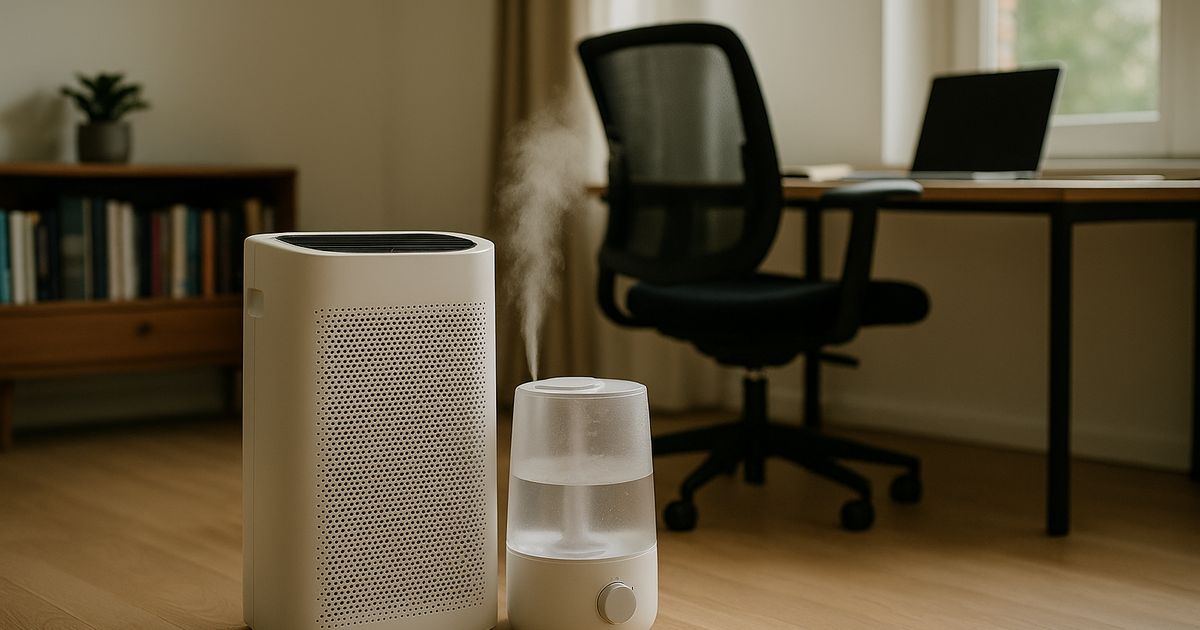
We ran a quiet 14-day evaluation on a couple of test units, including a $149.99 Levoit Core 300S and a standard office humidifier. At first glance, the early signal is positive. The air felt a bit fresher, and the ambient dust settling on our monitors definitely decreased over the first week.
But a hardware trial isn't just about whether the fan spins quietly. We operate on a hybrid office cadence, meaning the space isn't fully staffed every single day. That intermittent usage quickly exposed massive flaws in the upkeep requirements for these standalone devices.
Is it worth it (real gain)
I was standing in the breakroom reading the instruction manual for one of the humidifiers when I hit the "clean and dry daily" warning. I did the mental math on operator hours, dropped the booklet in the recycling bin, and cancelled the wider rollout. Absolutely not.
Purchases here are judged strictly on TCO per seat and support burden. The sticker price is irrelevant compared to the ongoing labor. My hard limit for weekly office maintenance is 70 minutes. Humidifiers demand thorough cleaning after every single use to prevent mold. If maintenance steals founder time, it is a bad bet. We simply do not have the team bandwidth to scrub water tanks and log filter changes on a Tuesday morning.
Pitfalls (hidden costs + friction)
When bandwidth is tight, hidden hardware risks are lethal. Here is what ultimately killed the initiative:
* The Mold Trap: If you don't clean a humidifier regularly, mold grows in the tank and gets pumped directly into the room. I am not risking respiratory issues just because someone forgot to empty a plastic tub on a Friday.
* Ozone Generation: Some high-end purifiers boast "ionizers." What they don't advertise loudly is that ozone reacts with existing office chemicals to create toxic pollutants, most notably formaldehyde. You have to be incredibly careful to avoid anything that isn't explicitly ozone-free.
* Filter Churn: HEPA filters effectively trap pollen and pet dander, which is great. However, activated carbon filters for VOCs vary wildly in effectiveness. Tracking filter lifespans across multiple isolated devices completely breaks our workflow.
Long-term changes (30/90/180 days)
We completely pivoted our approach. Instead of buying individual room units, I called our building management and paid out of pocket for a commercial HVAC servicing. Runway discipline beats feature excitement.
We upgraded the central filters to a higher MERV rating and instituted a strict open-window policy on mild days. By relying on the building's existing infrastructure, we cleared the air without adding a single recurring task to our internal ops checklist. Home vs company purchases are mentally separated for me—I might run a high-maintenance humidifier in my own bedroom, but I refuse to deploy one here.
Who this is not for (clear boundary)
This specific hardware category is a terrible idea for lean startups without dedicated facilities staff. If you expect your engineers or operations managers to remember to empty water trays, you are setting up for failure.
I optimize for team focus, not dashboard vanity. If an air quality app requires constant checking and push notifications, it is a distraction. If it drains operator time, I cut it.
Alternatives (safer options)
If you absolutely must filter a specific conference room because of poor ventilation, ignore the smart features entirely. Buy a "dumb" mechanical HEPA purifier without Wi-Fi, without an app, and strictly without an ionizer.
Brands like Medify or Alen make basic units that just use a fan and a filter to remove impurities. Write the filter replacement date on a piece of masking tape, stick it to the side of the machine, and walk away. Just don't buy a humidifier unless you are prepared to clean it daily.
One-line verdict (would I buy again?)
Skip the high-maintenance standalone air gadgets; protect your team's bandwidth and invest in centralized HVAC upgrades instead.
Related navigation: Ben persona channel, climate-air-water cluster, hybrid-work-home-office scenario.