Why we stopped buying air gear for the kids' room
Unless a pediatrician actively prescribes it for a specific condition, skip the kids' room air gear. Between humidifier mold, hidden ozone risks, and constant sensor calibration, these devices demand too much weeknight bandwidth. We measured the upkeep, and the maintenance load severely outweighs the seasonal benefits.
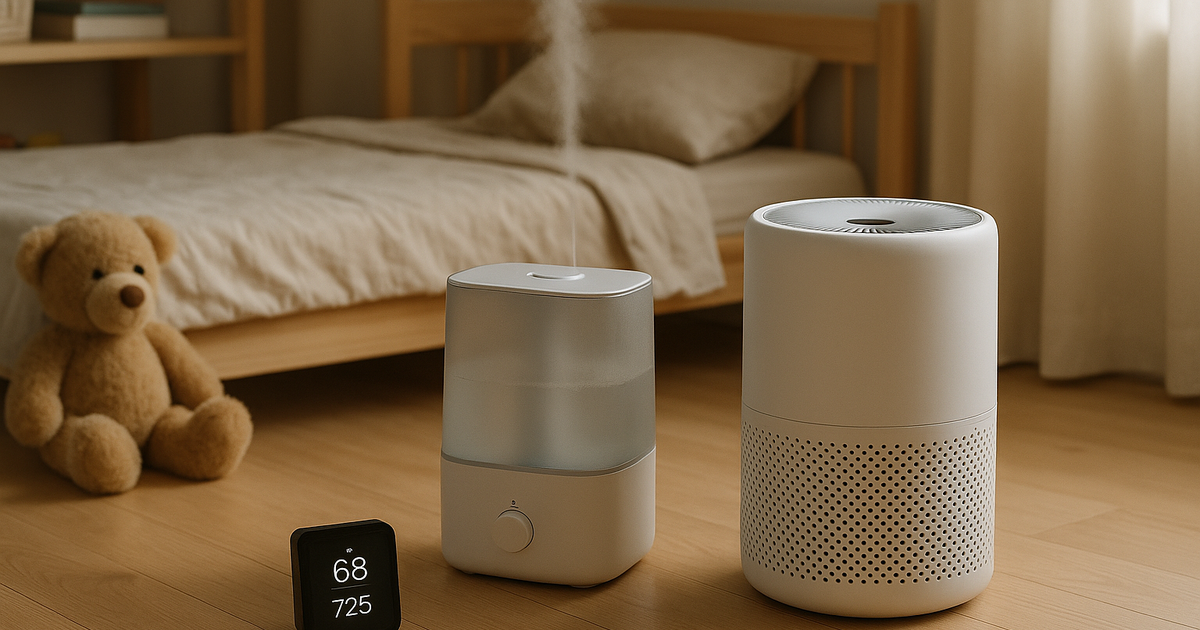
Why I bought it (context + expectation)
In our Jersey City dual-income, two-kid rhythm, winter congestion is a massive bottleneck. When my youngest developed mild seasonal sniffles, my first instinct was to throw money at the problem. I blocked out a joint big-ticket threshold of ~USD 700 to overhaul the air quality in their bedrooms.
I looked at ultrasonic humidifiers to help with coughs, HEPA air purifiers for dust, and wireless particulate monitors to give us clean data on what the kids were breathing. Our goal was simple: reduce nighttime wake-ups so everyone could function the next day. But in our household, if both of us cannot run it, it fails. I value handoff clarity over clever features, and I needed to know exactly what the operational drag of these machines would be before committing to a permanent setup.
How long I used it (timeline + frequency)
It was a Tuesday at 7:15 PM in my toddler's bedroom. I was right in the middle of the bedtime handoff when our new $124.99 wireless air particulate monitor started flashing a warning light. I paused the routine, pulled up the app, and realized the warning wasn't actually bad air—it was just sensor drift. The readings had skewed because of a normal shift in indoor humidity, meaning the device required a manual recalibration. Time saved at 7 PM is worth more than weekend tinkering. I unplugged the monitor right then and there.
We ran different air climate devices for about four weeks across peak winter. It only took that one month to see the cracks in the system. Accurate air pollution sensor data is supposed to help you make informed decisions. Instead, fluctuations in environmental conditions made consistent accuracy impossible without constant babysitting. Needs another month across busy weeks? No, four weeks was plenty of time to see the routine breaking.
Is it worth it (real gain)
Our bottleneck is minutes, not dollars. When you buy a humidifier or an air purifier, you are not just buying a machine; you are buying a weekly chore subscription.
Family systems break at hidden upkeep. Adding 20 minutes of intricate scrubbing to our Sunday routine just to keep a humidifier safe completely tanks our household efficiency. Cleaning throughput is a family KPI for us. If an appliance requires me to dismantle tiny plastic filters, soak bases in vinegar, or recalibrate sensors just to keep it running safely, the return on investment plummets. We quickly realized we were paying premium prices to give ourselves more weeknight stress.
Pitfalls (hidden costs + friction)
It was Sunday at 8:30 PM in our rowhouse upstairs bathroom. I had just opened the base of a highly-rated cool mist humidifier for its weekly wash. Deep inside an unreachable plastic crevice, I spotted it: a thin layer of pink slime. Despite following the normal operating instructions, mold was already taking hold. If it adds another weekly chore, it’s out. I immediately threw the base in the trash.
That mold risk is the first major pitfall. Humidifiers add great moisture for congestion, but if they aren't scrubbed constantly, they become biological hazards. The EPA explicitly recommends keeping indoor humidity between 30% and 50% to prevent mold growth, but achieving that balance with a basic tank humidifier is a guessing game.
Then there is the ozone factor. I looked into air purifiers to capture airborne allergens. However, some purifiers with ionizers intentionally or inadvertently emit ozone as a byproduct. While brands like Alen are certified to produce emissions less than 0.050 parts per million, any machine introducing smog components into a child’s room is a hard line for me. Weeknight bandwidth is the real constraint, and I refuse to spend mine constantly verifying that a machine isn't quietly poisoning my kids' air.
Finally, sensor accuracy is a trap. Low-cost air monitors simply do not give a complete representation of indoor air quality. They require frequent calibration because they drift over time. Without it, the data is useless.
Long-term changes (30/90/180 days)
Dropping the pursuit of the "perfect" nursery microclimate actually improved our evening handoffs. We stopped obsessing over digital humidity percentages and PM2.5 readouts.
Instead of managing temperamental water tanks, we shifted our focus to basic, predictable maintenance. We upgraded our central HVAC filters and set calendar reminders to change them strictly every 60 days. It takes exactly three minutes and zero scrubbing. A stable routine beats a flashy upgrade.
Who this is not for (clear boundary)
If you are a dual-income family trying to survive the weeknight rush, do not buy these devices casually.
They are absolutely not for parents who expect a plug-and-play solution. If you cannot realistically carve out 30 minutes every single weekend to disinfect water tanks and vacuum pre-filters, these machines will become a liability. Furthermore, if you live in a house with limited storage and noise constraints, keeping bulky purifiers humming in the background of a child's bedroom is going to be incredibly disruptive.
Alternatives (safer options)
We handle winter dry air and mild sniffles through basic pharmacy routines now. A cheap bottle of saline drops and a nasal aspirator work faster for congestion than waiting for a humidifier to alter the room's climate.
On school-night evenings, we just run the bathroom exhaust fans longer to manage moisture and keep the rowhouse air moving. For dust, we run a standard vacuum with a sealed HEPA system during normal weekend cleaning hours. It consolidates the filtration into a chore we were already going to do anyway.
One-line verdict (would I buy again?)
Unless mandated by a doctor, the hidden maintenance, mold risks, and calibration chores make kids' room air gear an absolute fail for busy working parents.
Related navigation: Sarah persona channel, climate-air-water cluster, health-recovery-routine scenario.