I tried consolidating to one pair of over-ear headphones for 180 days. The spatial cost was too high.
I spent $249 hoping a single over-ear noise-canceling headphone would simplify my routine across transit, work, and home. Leaning yes with limits initially, I quickly realized the physical bulk defeated the purpose. I remove before I add, and these are getting removed.
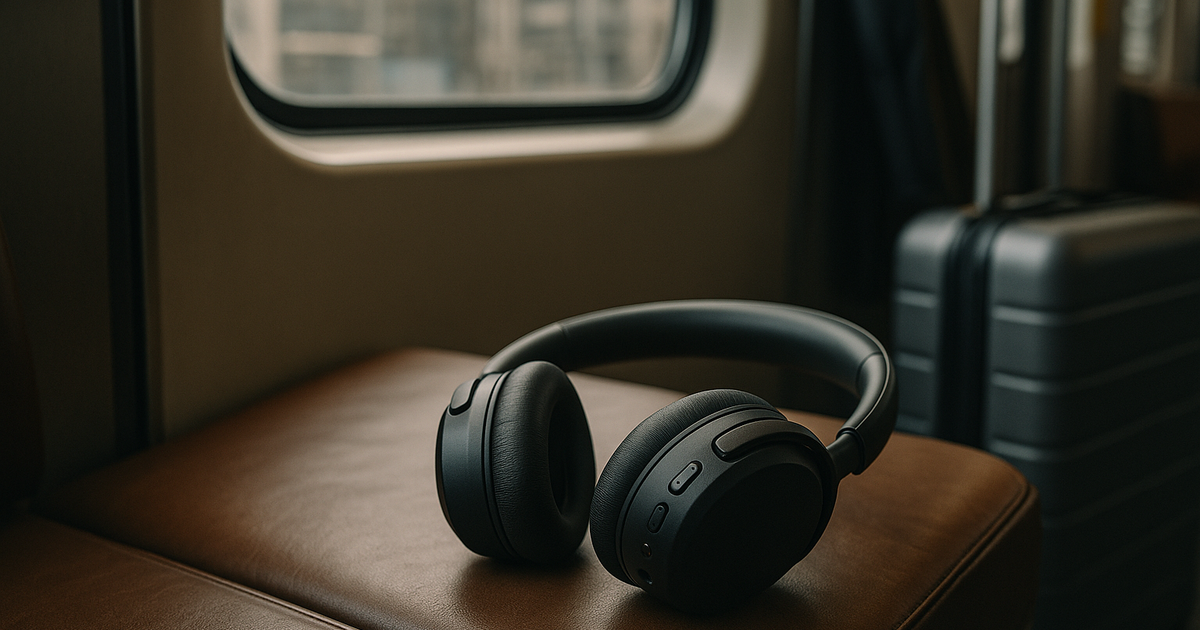
Why I bought it (context + expectation)
In my Portland studio, square footage dictates reality. Clean lines matter because habits follow environment.
I operate on a strict one-in-one-out rule for gadgets. I wanted to replace a cheap desktop gaming headset and a pair of fraying wired earbuds with a single, high-quality audio source. The goal was intentional reduction. A $249 pair of mid-tier hybrid ANC headphones seemed like the logical choice to handle my daily transit and apartment focus hours.
Before adding anything, I always measure the impact. I assumed wearing them around my neck would negate the need for storage space. I was wrong.
How long I used it (timeline + frequency)
I tracked this experiment for a full 180 days.
My maintenance cap is 40 minutes per week total for all belongings. The battery life on these averaged 35 hours per charge. That meant plugging them in roughly twice a month, which fit my strict maintenance budget perfectly. Wiping down the synthetic leather ear cups took ten seconds. Logistically, they required very little upkeep.
The friction came entirely from their physical footprint.
Is it worth it (real gain)
I only keep what earns its space.
Financially, the $249 price tag fell just under my $260 single-purchase threshold. The audio clarity was adequate, and the active noise cancellation effectively blocked out my loud apartment building neighbors.
But space is my primary budget. I am still validating long-term simplicity in my audio setup, but over-ear headphones demand too much cubic volume to justify their utility. The monetary cost was fine. The spatial cost was completely unacceptable.
Pitfalls (hidden costs + friction)
Tuesday morning on the MAX light rail. I tried shoving the 8x6-inch hard case into my 10L daily sling bag after stepping onto a crowded train. It swallowed seventy percent of the interior volume instantly. I spent the entire twenty-minute commute awkwardly holding my metal water bottle in my hand. One extra accessory can be one too many.
The second failure was digital clutter. I heavily dislike ecosystem lock-in. To adjust the equalizer or update the firmware, these headphones required a proprietary app running in the background of my phone. A tool must lower cognitive load, not raise it. Having an app harvest data just to let me listen to a podcast violates my baseline requirements for tech.
Long-term changes (30/90/180 days)
A rainy Thursday walk in the Pearl District triggered the final shift. The over-ear cushions trapped heat and soaked up the light drizzle within ten minutes. I had to pull them off my head to cool down. Lacking bag space, I carried them by the headband for eight blocks.
The footprint cost was suddenly very tangible. My habits changed to accommodate the object, rather than the object supporting my habits. I started leaving them at home on shorter trips, defeating the entire purpose of a unified audio solution. If it adds another workflow, it goes.
Who this is not for (clear boundary)
Do not buy full-sized ANC over-ear headphones if you carry a small daily bag.
They fail the portability test for anyone navigating crowded transit. Furthermore, I face a move every 18 months due to rental market shifts. Packing an irregular, rigid case into a streamlined moving box is incredibly inefficient. Finally, avoid them if you share my distaste for mandatory companion apps. You should not need a user account to control your own hardware.
Alternatives (safer options)
I am switching back to high-quality wired in-ear monitors (IEMs).
They coil into a two-inch circle. They require zero battery maintenance. They plug in universally without a companion app. If it needs a second gadget to work, it’s out. Wired earbuds might look less sleek, but minimal does not mean underperforming. They disappear into a pocket when not in use, which is the ultimate luxury.
One-line verdict (would I buy again?)
If it reduces clutter, it stays—but this bulky headset required too much physical space and software maintenance to earn its keep.
Related navigation: Eva persona channel, audio-noise-control cluster, commute-and-business-travel scenario.