I Needed Quiet in a 3-Roommate Apartment. Here’s How the $100 Space Q45 Held Up.
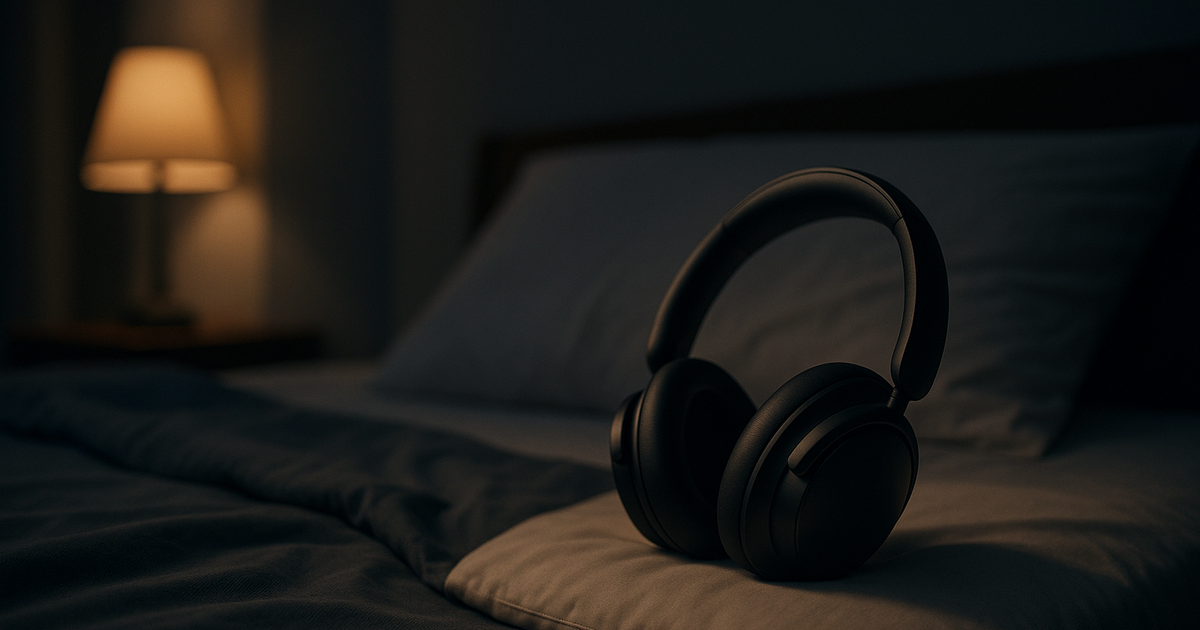
First I ask if roommates will hear it. If you share a noisy apartment, the $100 Anker Soundcore Space Q45 is a solid boundary-maker. I like this with one condition: you aren't an active side-sleeper. These block out chatter wonderfully, provided you can handle the bulk.
Why I bought it (context + expectation)
In Boston shared housing, the hard constraints are quiet and splits. Navigating 3 roommates + shared kitchen politics means accepting that someone is always awake when you aren't. Thin walls make the problem worse, turning every late-night Netflix binge or hallway conversation into an irregular sound that disrupts my rest. I realized early on that trying to police other people's habits is a losing battle. Quiet operation buys social peace. I wanted a way to block out the noise without demanding total silence from the apartment. My personal impulse cap is ~USD 170, so buying a premium $350 headset wasn't happening. I needed a budget-minded, mid-tier option just for me, because I prefer personal tools over shared "house toys." At around $100, the Anker Soundcore Space Q45 fit the bill perfectly.
How long I used it (timeline + frequency)
It was 11:30 PM on a Tuesday, and a very enthusiastic FaceTime call was echoing from the living room right through my bedroom wall. Instead of texting a passive-aggressive request to keep it down, I just slipped the Space Q45s on and turned on the active noise cancellation. Immediate relief. I've been relying on them for over three months now, mostly during those high-friction evening hours. I need to test during full-house weeks to see how much battery they really chew through. The box advertises a huge battery, but real-world performance drops 30-40% with ANC enabled and Bluetooth multipoint connections active. I typically get about three days of heavy evening use before they need a charge.
Is it worth it (real gain)
Shared space means shared consequences. When someone blasts music, everyone suffers. For me, spending a hundred bucks to physically opt out of that consequence is entirely worth it. Anker claims the adaptive active noise cancelling system reduces ambient noise by up to 98%. While absolute, dead silence is a myth, they absolutely crush the rumbly bus engines from the street and the chatty roommates in the hallway. Roommate test: is this loud at 11pm? Actually, these keep everything completely silent for them while giving me an auditory fortress. Finding that kind of isolation without crossing my budget threshold is a massive win.
Pitfalls (hidden costs + friction)
I accidentally knocked these off the bathroom counter last Saturday, and my heart sank as I heard the plastic smack the floor. Hinge mechanisms remain the weak spot on budget models—industry tests show only 23% of sub-¥300 models survive 5,000 fold tests. They survived my drop, but I baby the hinges now. The bigger issue is overnight comfort. Traditional over-ear headphones are bulky and notoriously uncomfortable for side sleepers. I simply cannot sleep through the night with these on without waking up with a sore ear. They are great for winding down on my back, but impractical for wearing continuously until morning.
Long-term changes (30/90/180 days)
My rule: low drama, low upkeep. Having a reliable set of ANC headphones fundamentally changed how I handle shared apartment living. I no longer feel on edge waiting for a sudden loud laugh or a clanging pot to ruin my focus. Creating a stable sound environment lets my brain actually relax. The social friction in the apartment has noticeably dropped because I am managing my own reactions rather than trying to manage my roommates' behavior.
Who this is not for (clear boundary)
If you sleep exclusively on your side and need noise masking all night, skip these. The hard plastic and thick ear cups will press painfully into your pillow. They also aren't for audiophiles expecting crystal-clear highs to mix music. These are practical, utility-first blockers for noisy environments, not studio reference gear.
Alternatives (safer options)
With roommates and limited space, I always look at a few backup options. The Anker Soundcore Space One also sits at $100 and features 8-degree rotating ear cups. Their ANC handles low drone noises well, but sharp high frequencies pierce through noticeably. Another option is the Anker Soundcore Life Q20 2024, which costs around $80 and offers an impressive 49 hours of juice. However, it only comes with a soft pouch instead of a proper hard case. If storage is awkward, usage drops fast, so I passed on the Q20 just to get better protection for my gear.
One-line verdict (would I buy again?)
If it is roommate-safe, I keep it—and the Space Q45 saves my sanity and my sleep budget without causing a single house debate.
Related navigation: Hana persona channel, audio-noise-control cluster, nighttime-quiet-needs scenario.